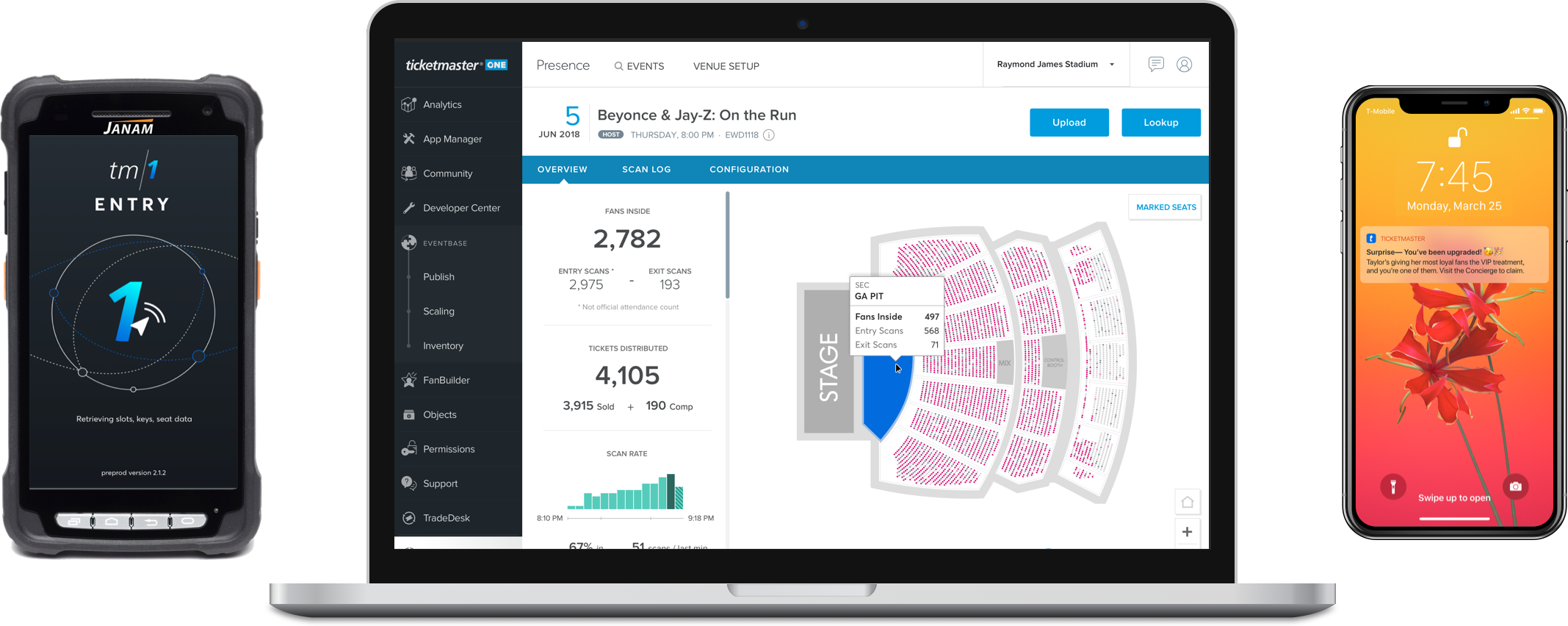
If you've attended a LiveNation concert in the last several years, you got in using Presence.
The platform handles venue entry configuration, fan identity, and event communications across three products: a venue management web app, a gate-level scanner app, and the fan mobile experience. I joined at beta exit and led experience design through full deployment — research, UX/UI, prototyping, and close partnership with engineering.
The project had a roadmap. It didn't have data. That was the first problem to solve.
- 3
- cities observed
- 24
- remote sessions
- 18
- client users
- 10
- organizations
Methods included field studies at live events, one-on-one interviews, card sorts for feature prioritization, and multiple rounds of prototype and usability testing across client segments.
Venue configuration, rebuilt from the research up.
The existing app had significant usability gaps — and use cases it couldn't handle at all. Surfacing these early was critical: major architecture decisions were being made in parallel as the team migrated to React.
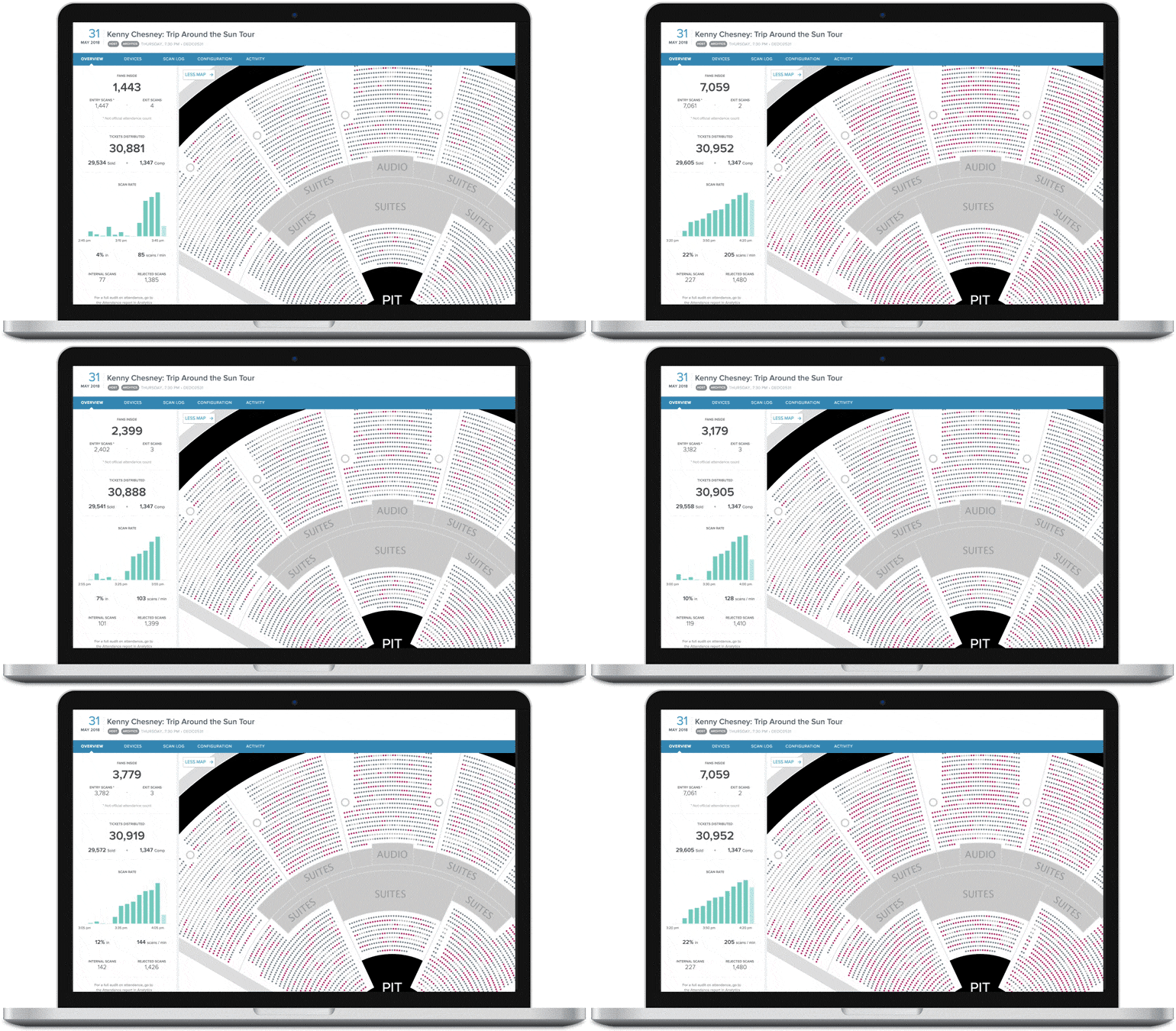
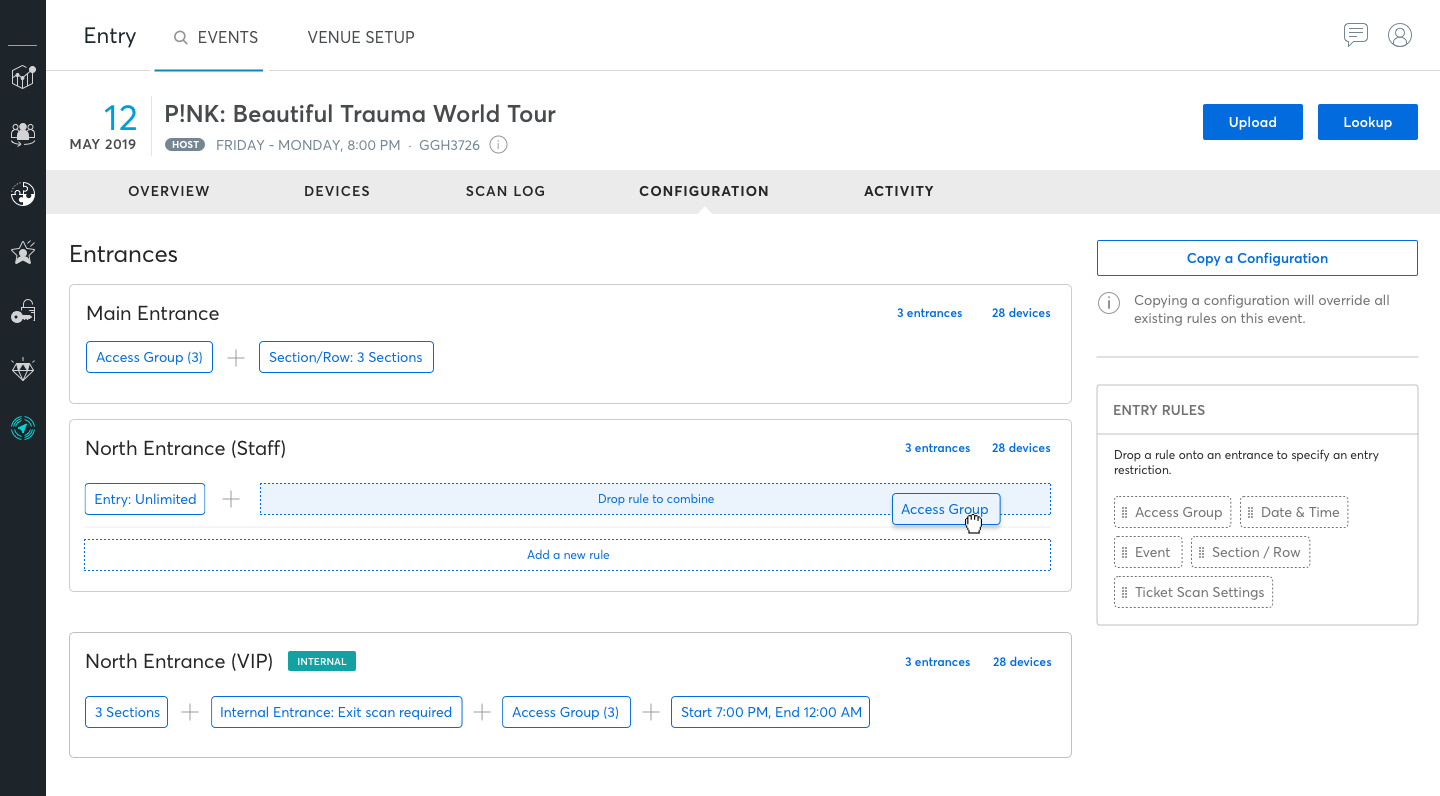
The redesign introduced a Scan Rate dashboard for real-time staffing decisions, improved event grouping and status labeling, and a redesigned event configuration flow that replaced an opaque code-based system with a visual one.
Fixing the bugs that weren't making it back.
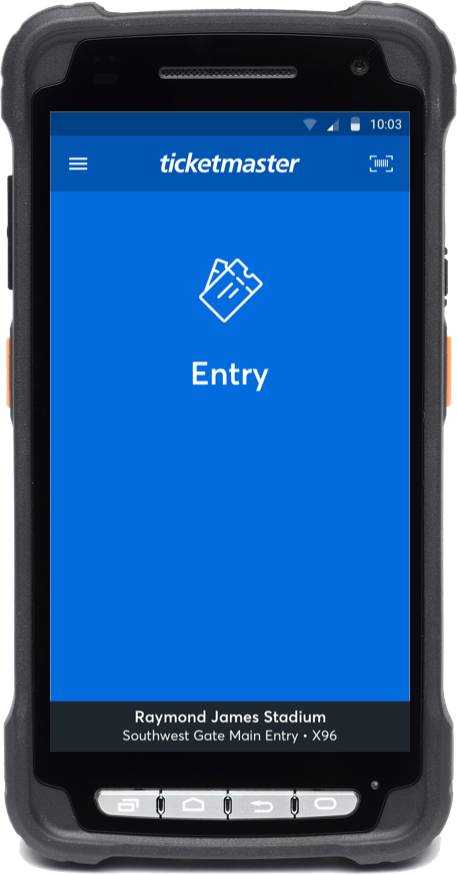
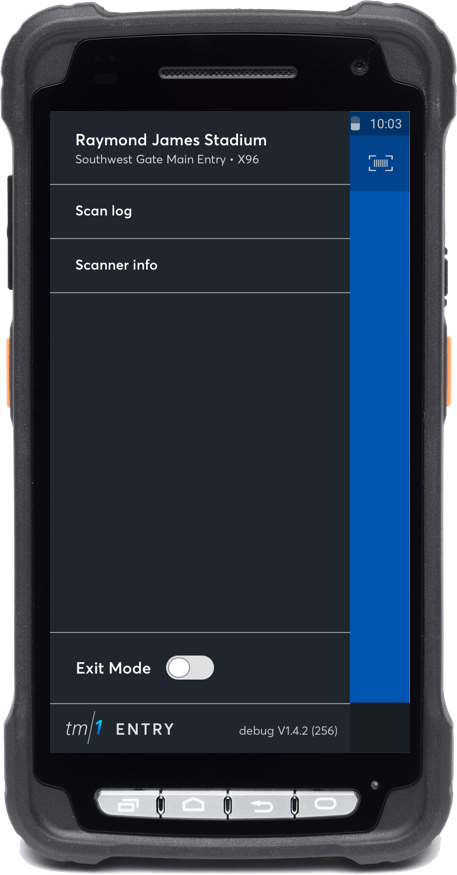
Gate-level scanner devices run a native Android extension of Presence. On-site field studies revealed that users had developed workarounds for usability problems — which meant those problems were never reaching the team. Only direct observation uncovered them.
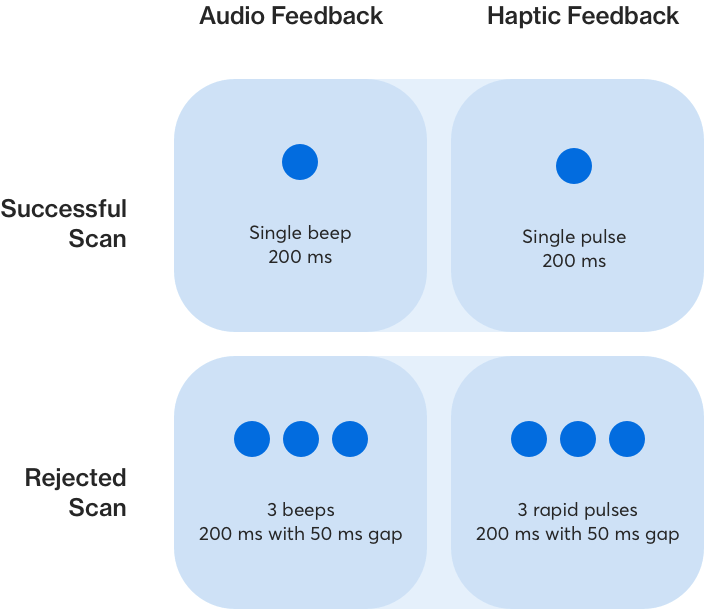
Two findings were critical: staff held the devices differently than the original design assumed, and the legacy mode toggle was easily triggered by the palm of the hand. The redesign repositioned the toggle in a protected menu and differentiated color, text, audio, and haptic feedback to account for varying conditions — sunlight, loud music, bass vibration.
The layer that hadn't been explored yet.
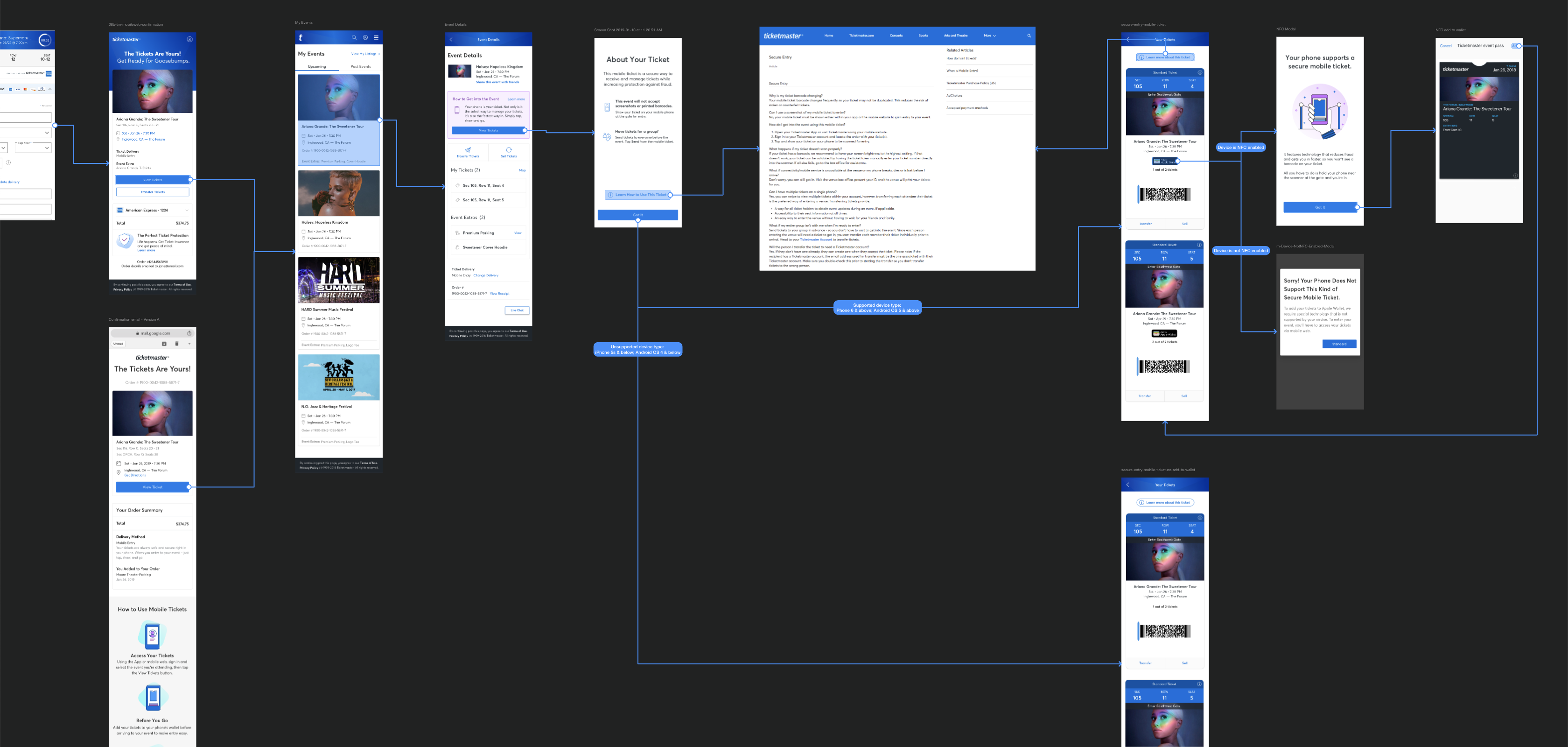
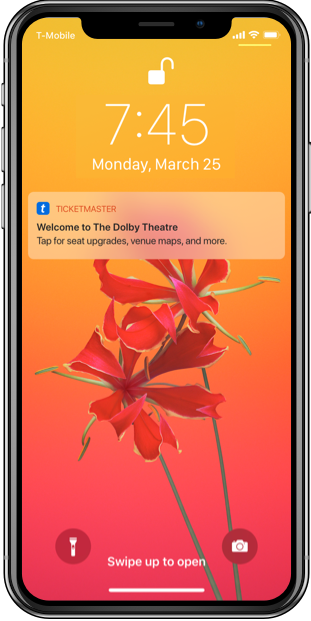
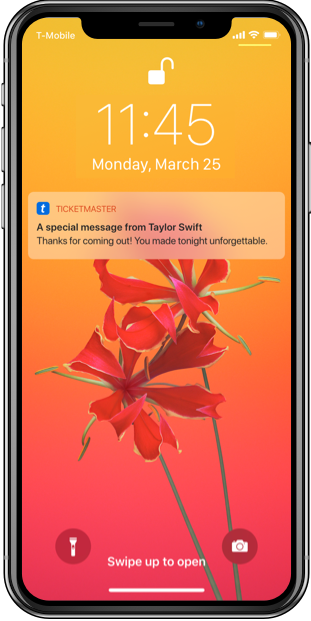
The fan-facing side of Presence was untouched in beta. The opportunity was clear: give artists and venues a way to reach fans at meaningful moments — approaching the venue, at the gate, after the show — and a transactional experience becomes something more.
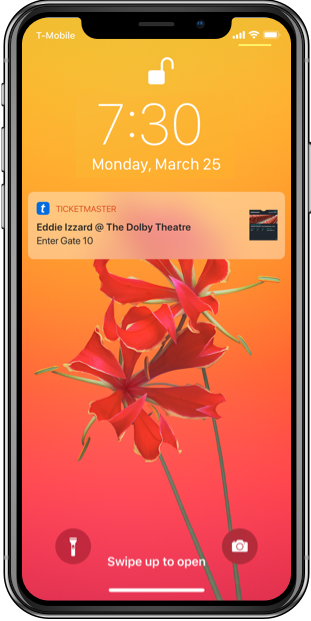
Three notification types were designed: a location-triggered relevance notification with ticket-specific information, a post-entry message, and a post-event follow-up for extended brand building.
-
Sports Business Journal
Best in Sports Technology — 2018
-
Google I/O 2018
Featured in the Google Pay keynote
-
Deployed at scale
All LiveNation-operated and Ticketmaster-ticketed venues, including the NFL