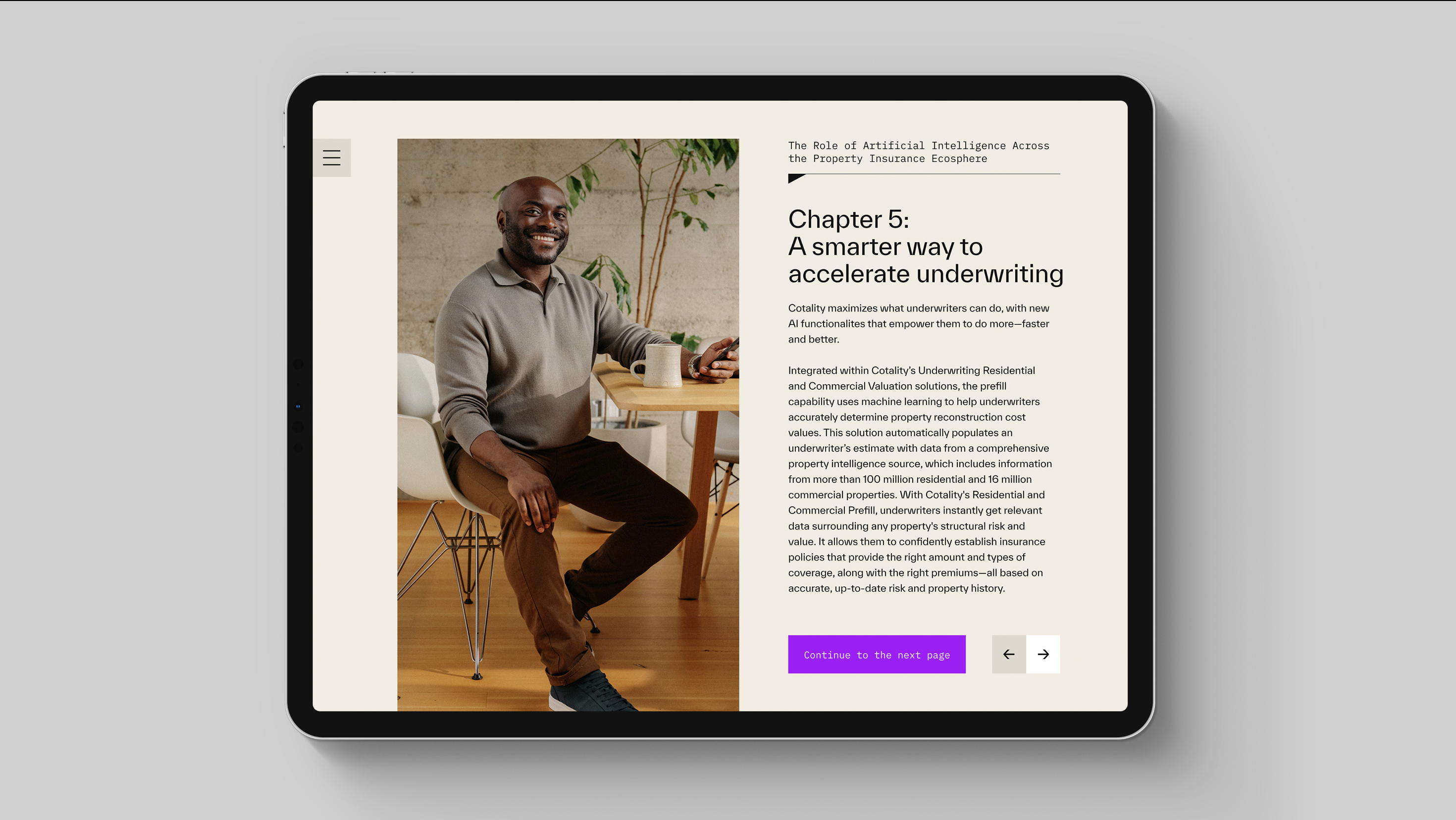
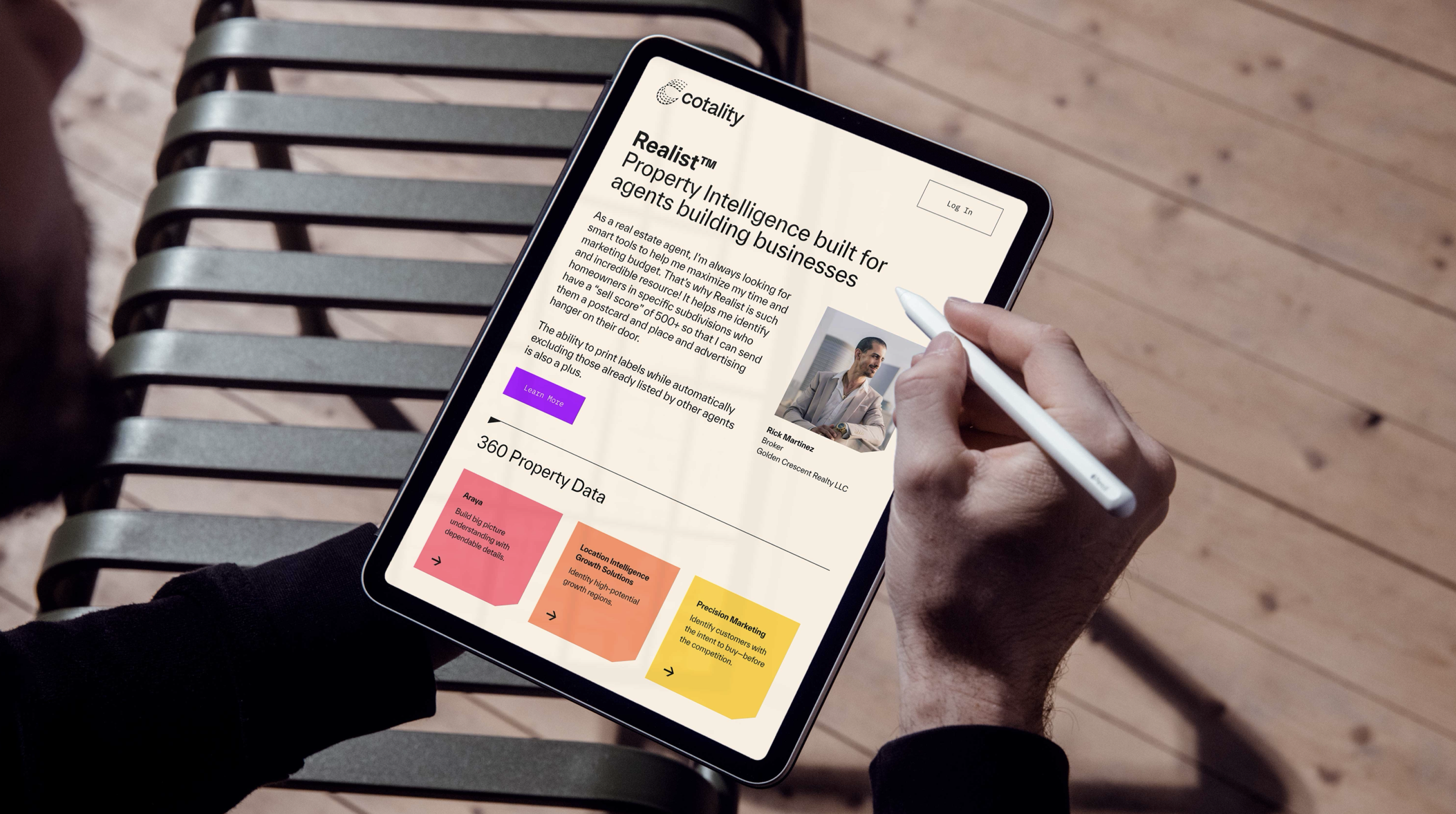
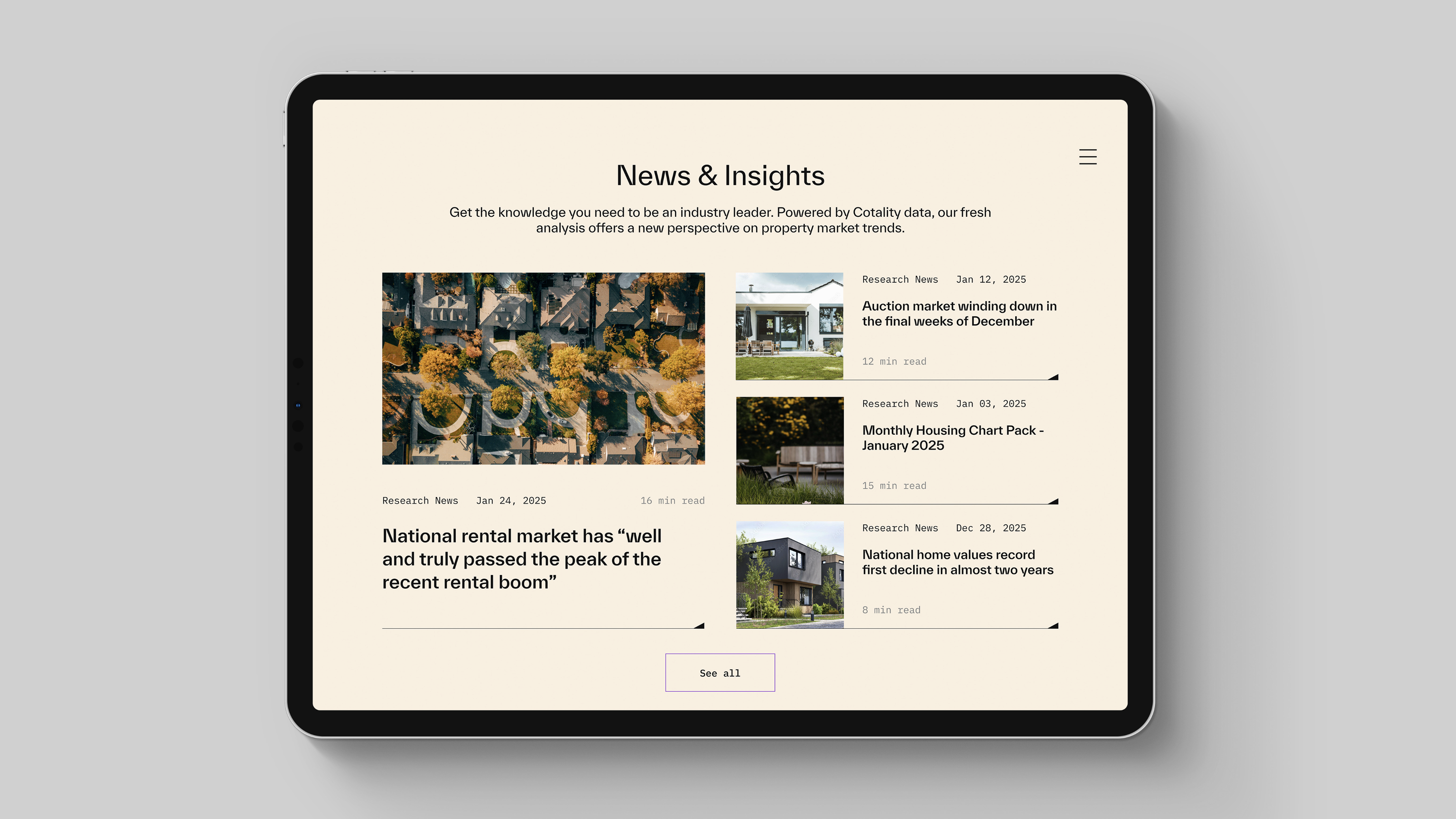
CoreLogic had a recognition problem. Their audiences knew them well — as a property software company.
But their ambitions were bigger. A recent PE acquisition gave them the freedom to move without shareholder constraints, and they wanted to re-enter the public market as a data intelligence company, spanning industries well beyond residential real estate. However, two brand adjustments in the prior two years had left the organization skeptical of yet another rebrand.
Our work needed to be grounded in research, not opinion. Every recommendation had to demonstrate clear value — or risk being dismissed by a team that had seen this before.
The rest of this case study is password-protected.
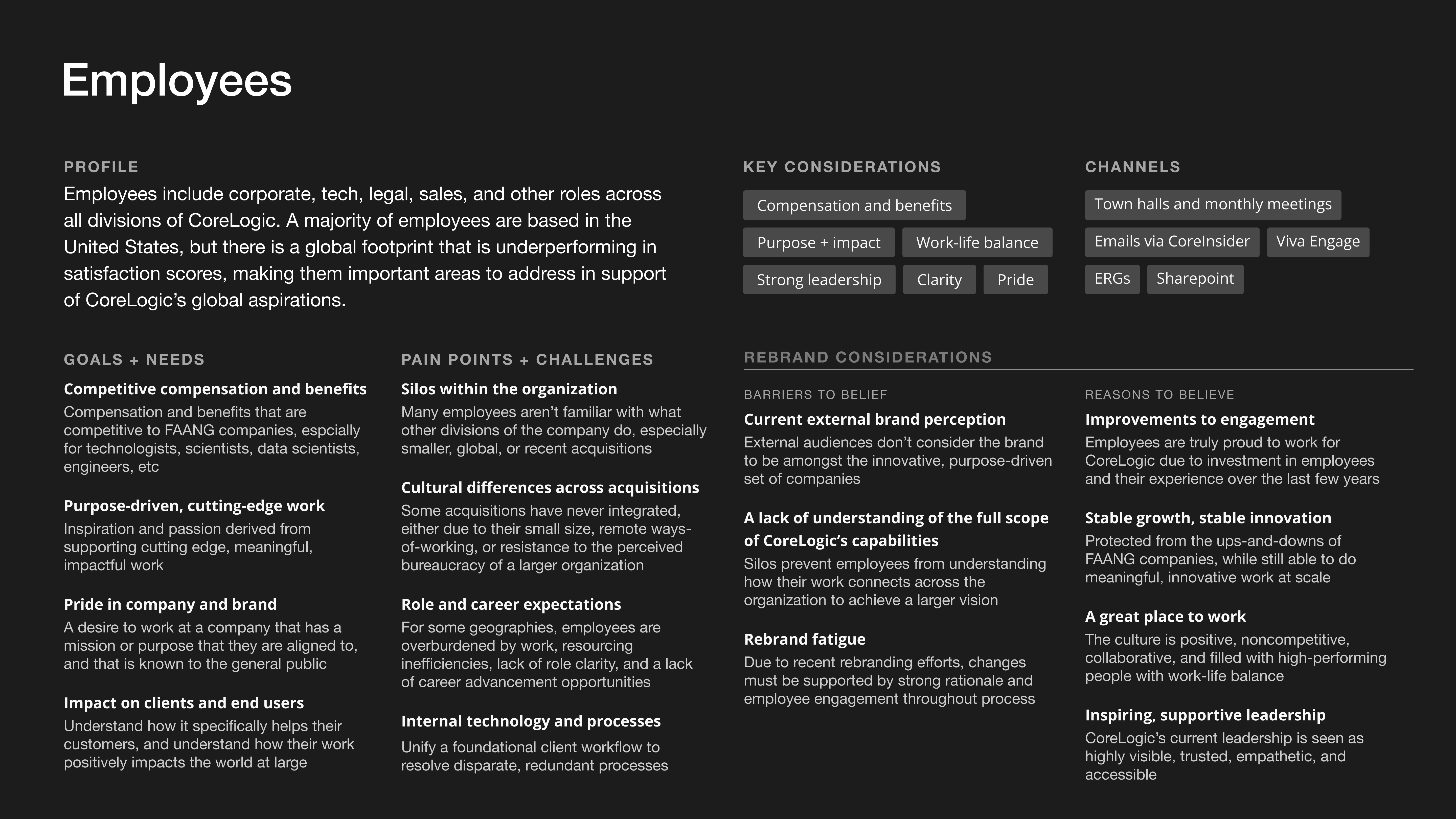
I led qualitative interviews with internal stakeholders across the organization to understand how they saw themselves, how they wanted to be seen, and where the tensions lived between those two things. The research produced three key opportunities and six personas, all of which shaped everything downstream.
Tell a brand story that broadens the focus beyond the property industry and shows how data bolsters everything the company does.
Tell a story beyond property
Get more specific on how people-centricity impacts the work and infuse empathy into the brand experience.
Embody people-centricity
Ground the innovation story in the impact that only CoreLogic can create with its unique combination of data, analytics, software, and people.
Demonstrate our innovation
Each persona was built with rebrand-specific considerations: barriers to belief and reasons to believe. These weren’t generic user profiles. They were designed to pressure-test whether the repositioning would hold up across every audience the brand needed to convince.
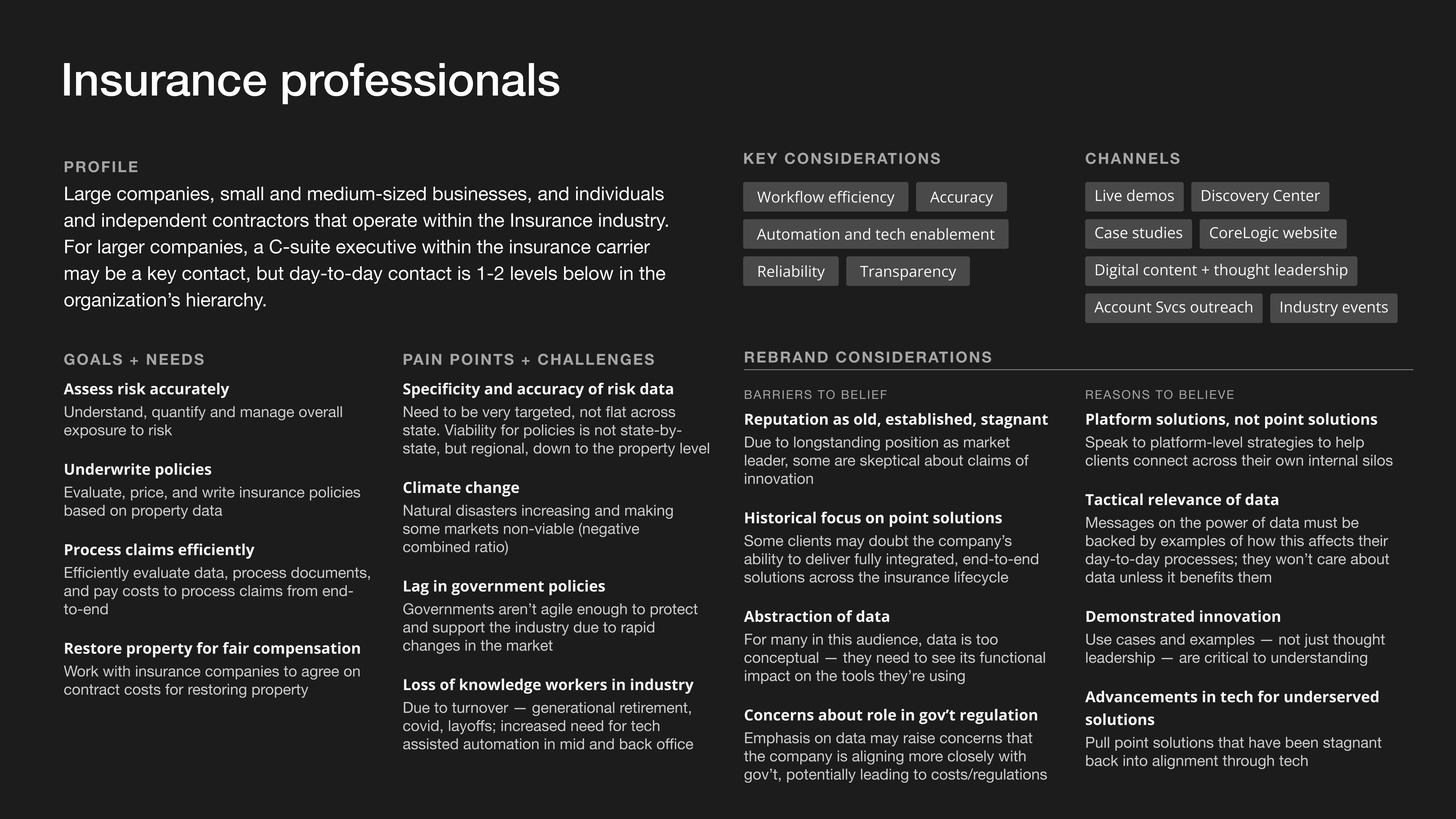
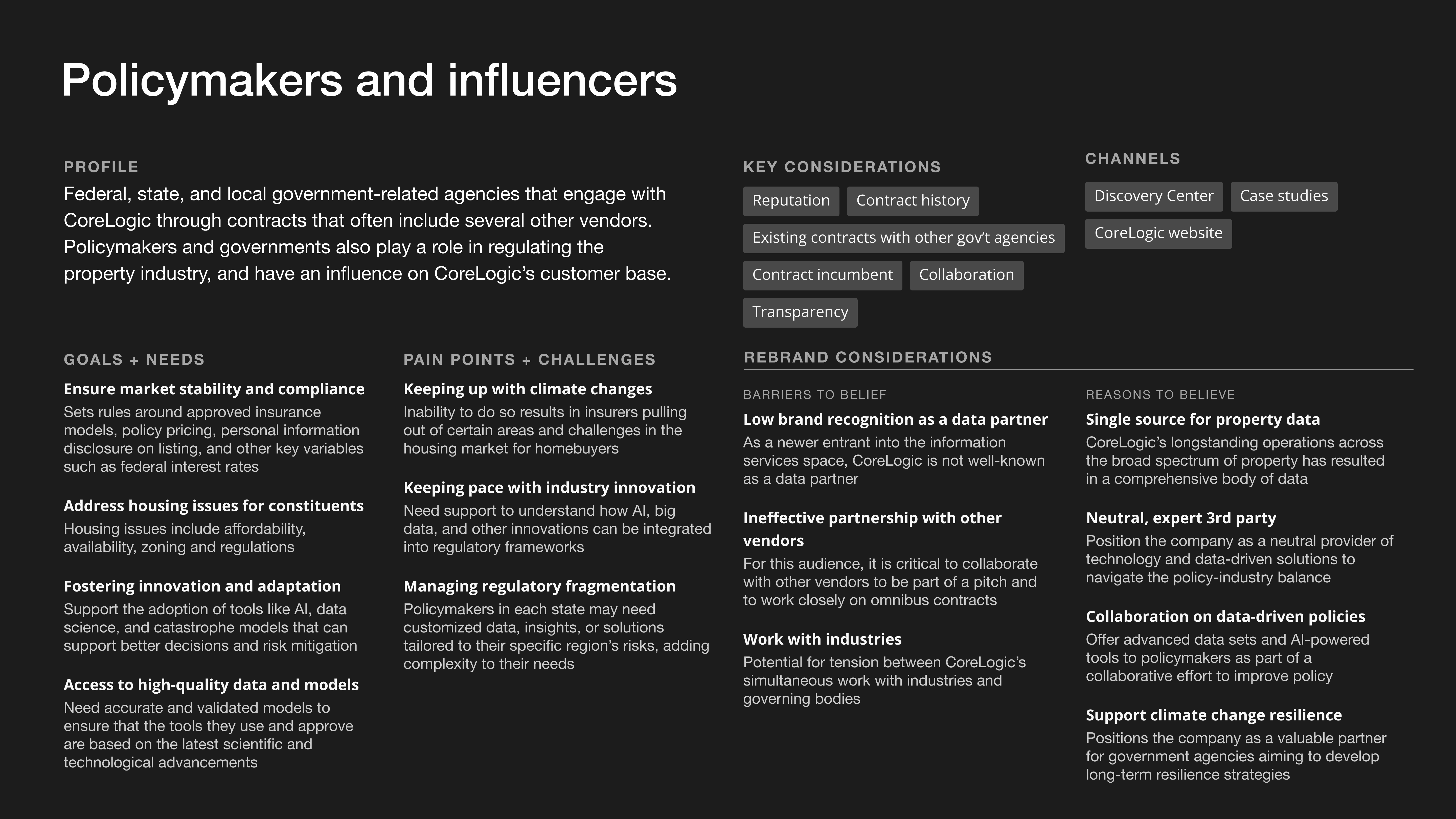
I translated each finding into a website opportunity, then developed three strategic web vision territories.
To determine the overarching strategy for the web experience, I proposed a thought experiment in the form of a question:
I presented each territory in a collaborative session with the client team. The team chose Concierge, believing that an effortless, story-led experience would best serve a brand cementing itself in the minds of both existing and new audiences. The specificity and personalization of Swiss Army Knife would be incorporated as they continued to develop the site post-launch. And while Oracle’s vision of surfacing data capabilities was appealing, the team was wary of revealing too much IP.
With the vision set, I developed three experience principles to govern every design and content decision going forward.
A guide to relevant, powerful stories that deepen expertise and reveal how our data transforms what’s possible.
The site should simplify complexity and make it easy to navigate through and understand how our data connects across sectors to be relevant and useful beyond property.
The site should strive to illuminate a higher-order human story so that users may understand the brand’s purpose and human impact.
The site should be an extension of the platform and capabilities, and be the first opportunity to engage hands-on with solutions, data, and people.
Content Roadmap
With the strategy locked, I defined what the site would contain and how it would be structured. The content roadmap mapped every page against existing content and net-new content the client needed to develop. It also outlined the components and content required, giving both the client’s content team and my designers a clear picture of the parallel work ahead.
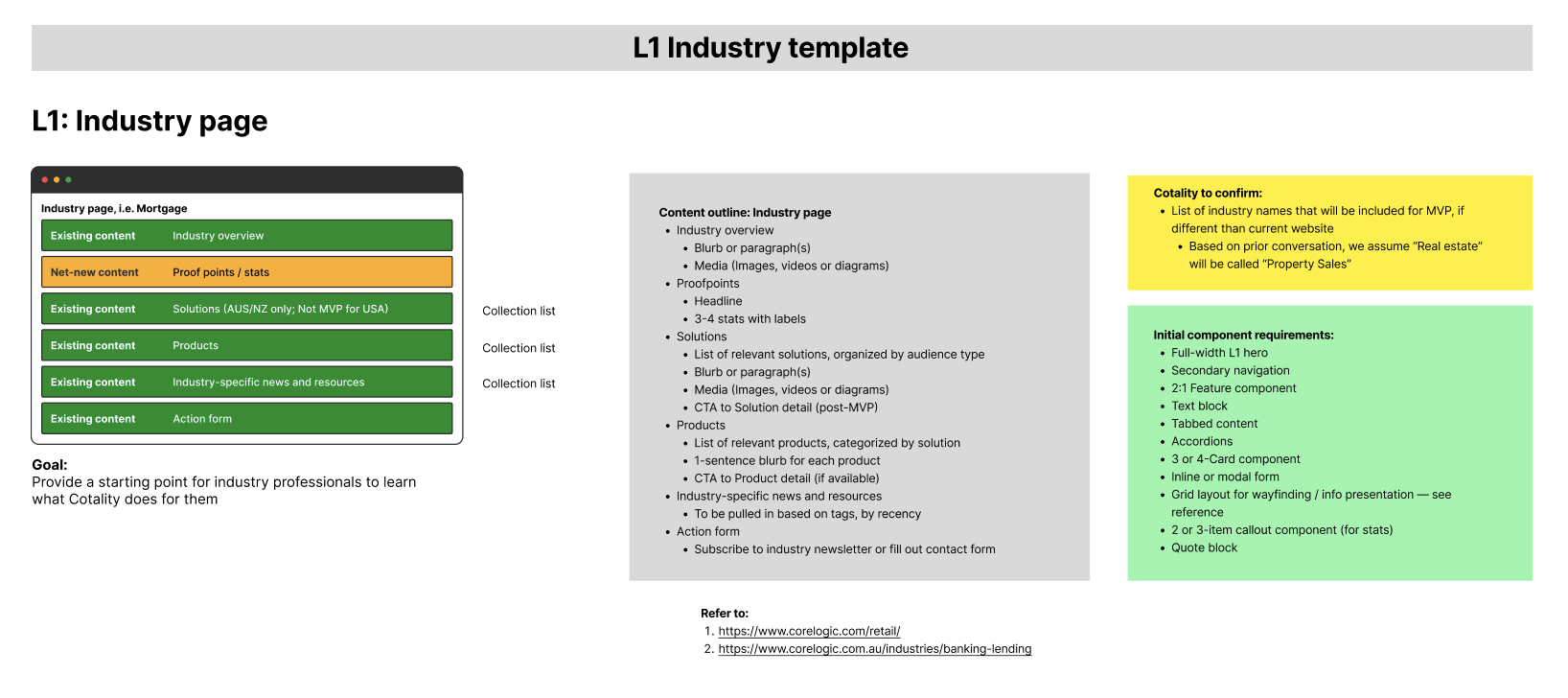
Site Architecture
I developed multiple options representing different organizing principles. The client selected the enterprise-centric approach — a structure that prioritizes the data story and organizes products by platform and delivery method rather than by property type. The site itself would tell the story of a data company, not a property software company.
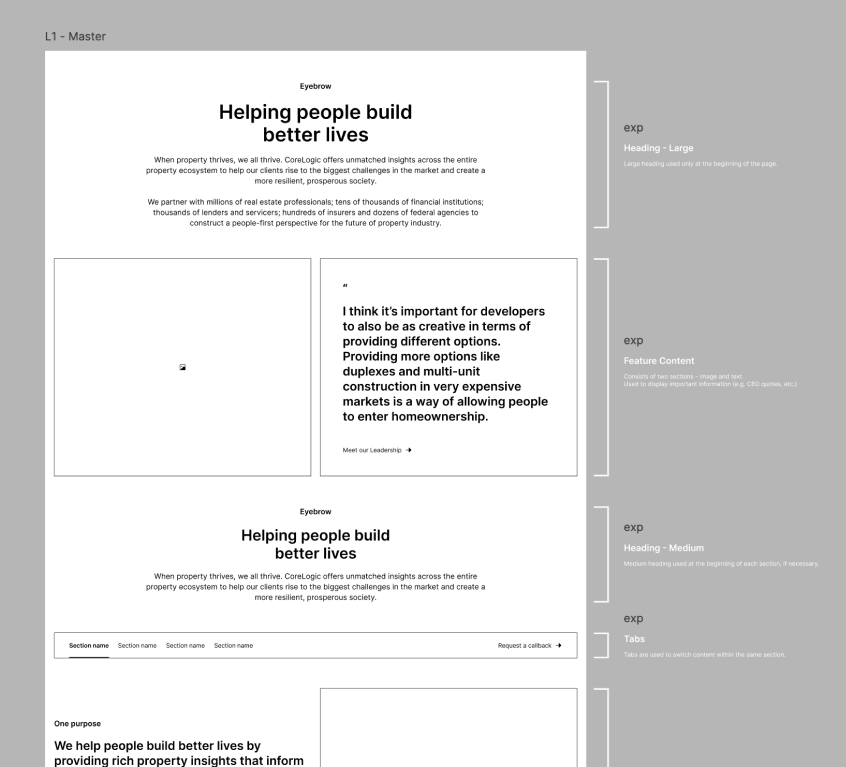
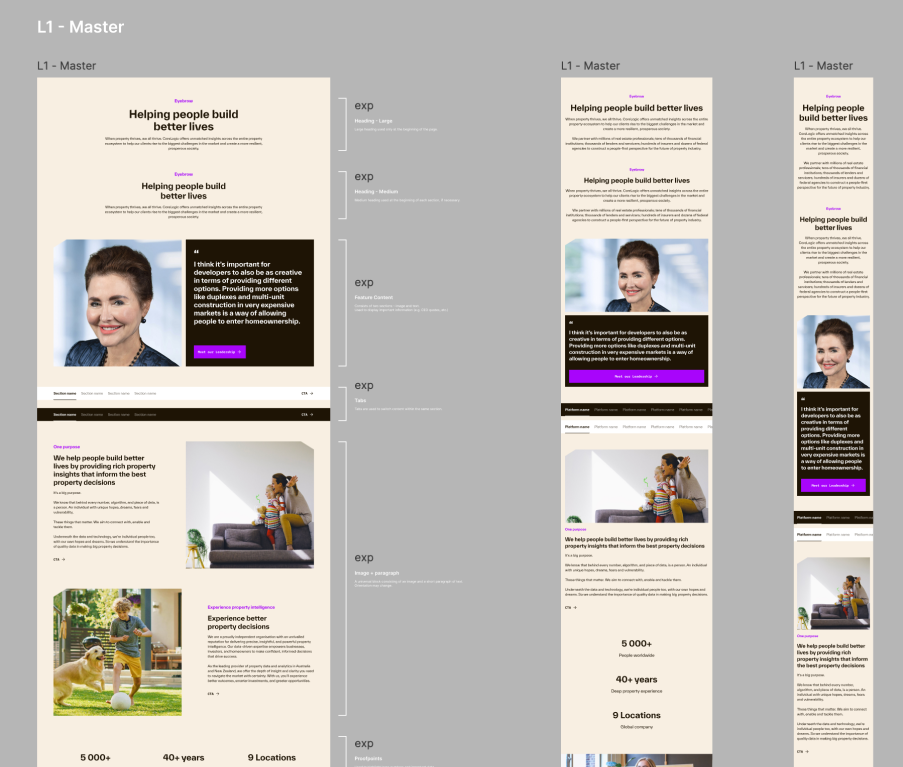
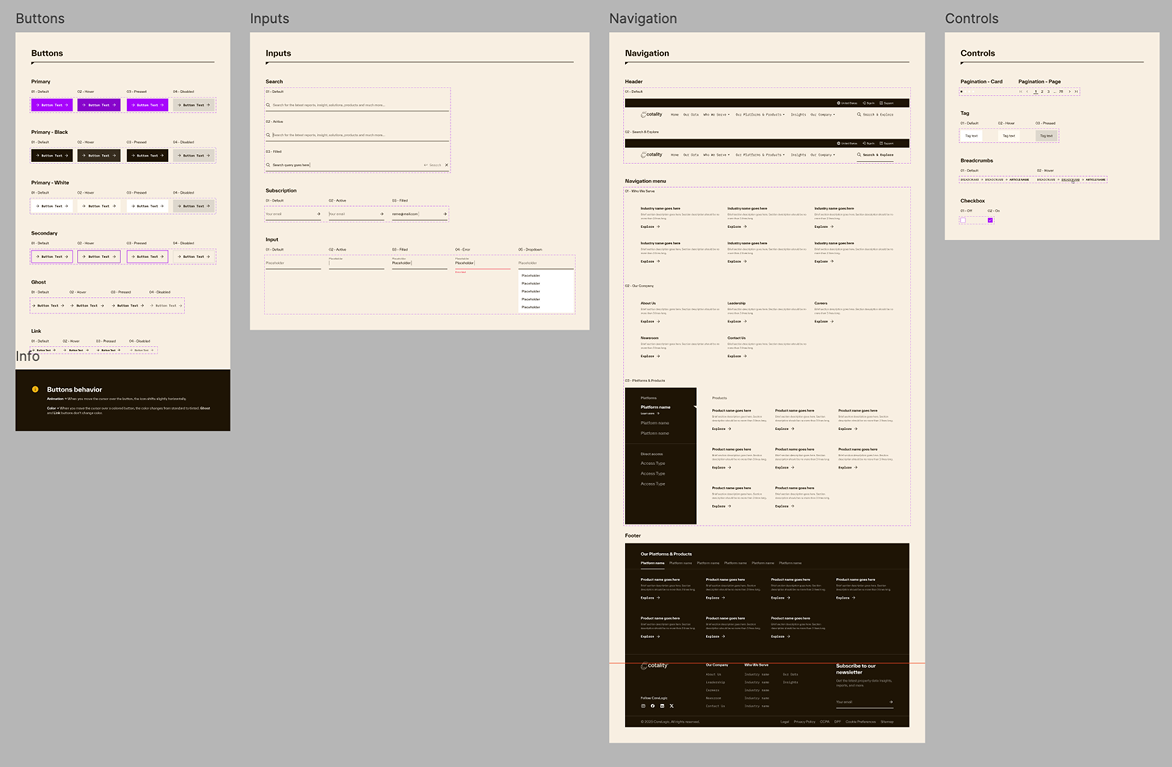
I led my team through four design sprints — wireframes, full UI mockups, and a documented component system for the brand center. The design was a direct translation of the strategy: the principles showed up in the information architecture, content hierarchy, storytelling modules, and interactive patterns.
-
Launched on schedule.
Cotality went live on March 24, 2025 at cotality.com.
-
Strategy adopted as north star.
The vision, experience principles, and content roadmap were embedded in the brand center for ongoing use.
-
Structural repositioning.
The site architecture tells the story of a data company, a research-grounded break from the past.
-
Built for a skeptical audience.
Every recommendation traced back to findings. In an organization fatigued by brand changes, the work stuck because it was grounded.
-
And one unexpected contribution.
During an in-person workshop at Siegel+Gale’s LA office, I proposed “Intelligence beyond bounds” — a tagline that survived weeks of testing and became the hero of cotality.com. It wasn’t a formal responsibility. It came from being deeply immersed in the research and strategy.